
How Meta ads work in 2026
Algorithms change — here is what actually delivers results on Facebook and Instagram today.
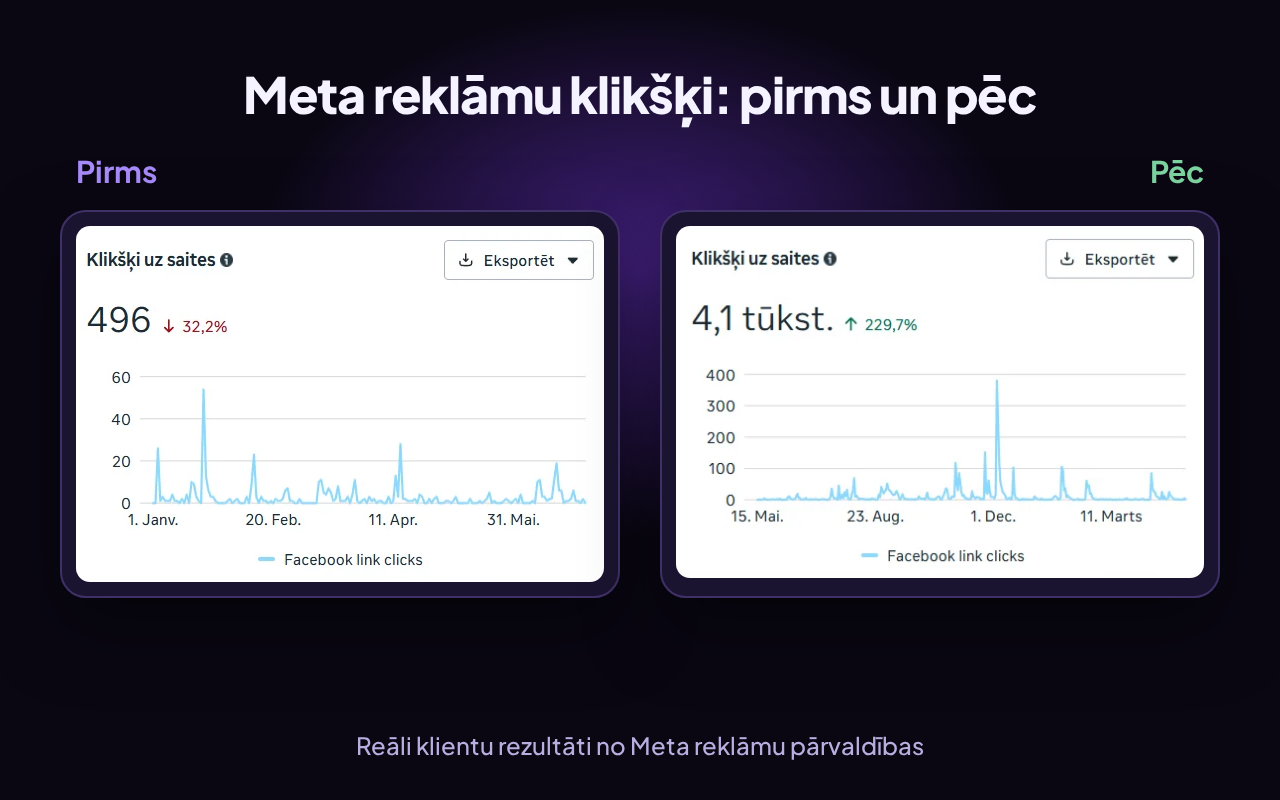
A few years ago, success with Meta ads depended on precise audience targeting. Today, AI does most of the heavy lifting, and the advertiser’s role has changed. In this article, we explore how Meta ads work in 2026 and what now separates successful campaigns from unsuccessful ones.
The key shift: the algorithm chooses the audience, you provide the creative
Meta is increasingly automating targeting, budget allocation and placements. With Advantage+ campaigns and broad targeting, the algorithm finds the people most likely to take your desired action.
This means detailed interest-based targeting is no longer as decisive as it once was. In many cases, a broad audience combined with high-quality data and compelling ads outperforms overly narrow segments.
What drives advertising success today
1. Creative is the new targeting
When the algorithm finds the audience, what people see makes the difference. Your ad’s video, image and copy become the main drivers of performance.
What works:
- several distinct approaches and messages, rather than a single ad with minor variations;
- short vertical videos that capture attention in the first few seconds;
- real people, customer experiences and behind-the-scenes content;
- a clear offer and call to action.
Meta’s systems tend to show the same ad too often, so creative fatigue sets in faster. Regularly supplying fresh creative is a necessity, not an optional extra.
2. Data quality is the foundation
The algorithm learns from your data. If that data is incomplete, optimisation will suffer too.
- Correctly configured Meta Pixel and Conversions API (server-side data sharing).
- Clearly defined conversion events: purchases, enquiries and registrations.
- GDPR-compliant data practices and proper consent management, which are mandatory in Europe, including Latvia.
With privacy restrictions reducing data availability, server-side data sharing is becoming a competitive advantage.
3. AI tools for ad creation
Meta offers tools to generate copy variations, adjust backgrounds, change formats and create ad versions. They speed up production and make it easier to test different approaches.
However, automatically generated content without a strategy often feels generic. The best results come when AI supports execution, while someone who understands the customer shapes the idea and message.
4. Placements and formats
Ads appear on Facebook, Instagram, Messenger and other Meta platforms, including Reels, Stories and feeds. Automatic placements help the system find the lowest cost per result, but your creative needs to suit each format.
Check that your ad looks good in the vertical 9:16 format, with no cropped details or text hidden behind interface elements.
5. Budget and the learning phase
The algorithm needs time and enough conversions to optimise. Frequent changes, sudden budget shifts or too many small campaigns disrupt this process.
Practical tips:
- let your campaign stabilise before making changes;
- avoid creating dozens of campaigns with small budgets — concentrate your spend instead;
- assess results over a longer period, not just a single day.
How to build a campaign in 2026: a simple framework
- A clear objective. Sales, enquiries, calls or awareness. Each requires a different structure.
- Accurate measurement. Pixel, Conversions API and conversion events.
- A broad audience as your starting point, supplemented with custom audiences (existing customers, website visitors) and lookalike audiences where appropriate.
- 3 to 5 distinct creatives with different messages and formats.
- Regular updates. Fresh creative every few weeks, depending on your budget.
- Analysis. Look beyond clicks to cost per result and actual profitability.
Common mistakes
- Overly narrow targeting that limits the algorithm’s capabilities.
- A single creative or only minor variations of the same asset.
- Incorrect measurement setup, causing optimisation to rely on inaccurate data.
- Intervening too frequently during the campaign’s learning phase.
- Advertising without a well-considered offer. No algorithm can rescue a weak offer or a poorly designed purchase journey.
- Neglecting your website. A slow or confusing website undermines otherwise effective advertising.
What this means for businesses in Latvia
A smaller market means a smaller audience, so repeated creative becomes noticeable sooner. Latvian- and Russian-speaking audiences often need separate messages. Seasonality, local reputation and reviews do more to build trust than flashy calls to action.
Conclusion
Meta advertising in 2026 is becoming less technical and more strategic. The algorithm handles targeting, but the winners are those who provide high-quality data, compelling content and a clear offer. Invest time in developing your messaging, test new ideas regularly and let the system do what it does best.